Humanitarian Efforts at Gevgelija Temporary Transit Center
30 May 2026|JRS North Macedonia
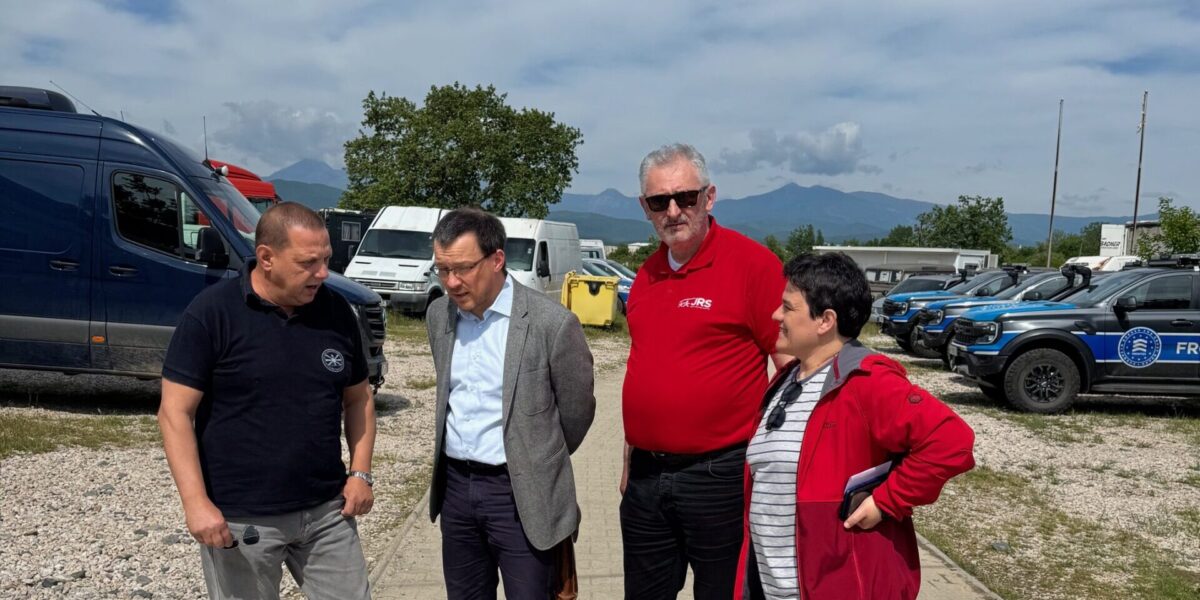
For a long time now, the JRS office in North Macedonia has enjoyed the support of Renovabis, the solidarity initiative of German Catholics with the people of Central and Eastern Europe. A representative of Renovabis, Mr. Martin Lenz, Head of the Department for Project Work and Countries – responsible for monitoring and supporting projects implemented in North Macedonia – paid an official visit to the Temporary Transit Center in Gevgelija. The visit was organized at our initiative to provide a closer insight into the camp’s operations and took place in a constructive and welcoming atmosphere.
The Temporary Transit Center Gevgelija is a state institution jointly managed by the Crisis Management Center and the police authorities. Through a memorandum of cooperation signed several years ago, a strong partnership and mutual trust have been established.
During the visit, a comprehensive tour of the camp facilities was organized, during which our ongoing humanitarian activities and operational responsibilities for individuals transiting through the country were presented.
Located near the southern border with Greece, the Temporary Transit Center Gevgelija has remained operational since 2015, following the peak of the Syrian refugee crisis that significantly affected the Balkan migration route and the wider European region. While many transit camps established during the migration crisis have since been closed, Gevgelija remains the last active transit center along the Western Balkan route towards Europe.
Despite the formal closure of the Balkan migration corridor, migratory movements through North Macedonia continue. The camp remains an important entry and transit point for refugees and migrants seeking to reach European countries. Human trafficking and migrant smuggling networks continue to exploit this route, exposing vulnerable individuals to serious risks throughout their journey. Consequently, humanitarian and protection needs within the camp remain substantial and require continuous monitoring and a coordinated institutional response.
Throughout the previous period, our presence in the camp was primarily focused on monitoring missions and humanitarian activities due to the absence of a permanent operational team on the ground. Nevertheless, regular field visits were conducted to assess humanitarian conditions, identify urgent needs among migrants and refugees, and maintain communication with the relevant state institutions responsible for managing the facility.
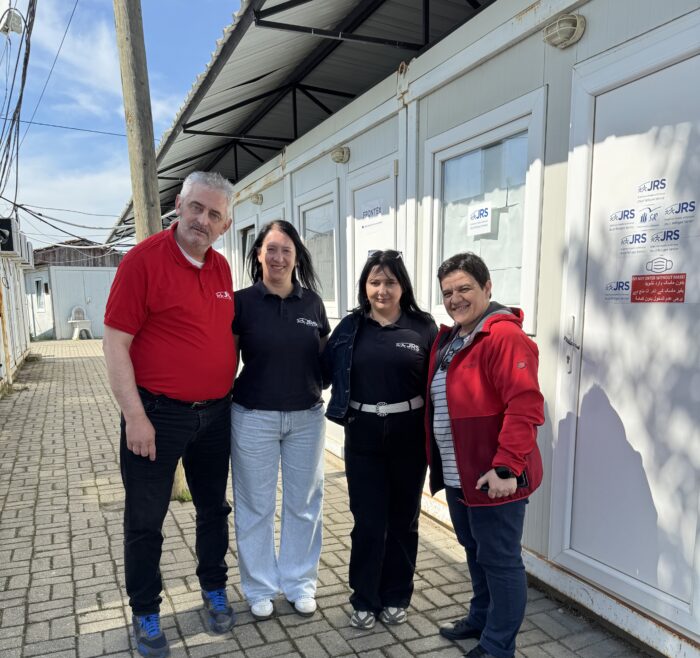
With the launch of the new project supported by Renovabis, a dedicated team has now been established and maintains a continuous presence within the camp. Particular attention continues to be directed towards psychosocial support, emergency assistance, food distribution, medical referrals, and the protection of vulnerable individuals and families.
Although the number of arrivals fluctuates over time, North Macedonia continues to play a significant role as a transit territory along the broader European migration route. The withdrawal of many international organizations from the field has created additional humanitarian challenges, while church-based and faith-driven organizations continue to maintain a visible humanitarian presence on the ground.
In the coming period, efforts will remain focused on strengthening the continuity of humanitarian assistance, deepening cooperation with state institutions, and ensuring sustainable support for people in transit accommodated at the Temporary Transit Center Gevgelija. Ongoing migration developments affecting the wider region continue to underline the importance of coordinated humanitarian engagement, institutional partnership, and long-term solidarity with forcibly displaced persons.